Showing posts with label mediation cape town. Show all posts

Tuesday, 4 June 2019

When is Mediation the correct solution to Workplace Disputes?


Mediation is often the solution when it comes to disciplinary issues, performance, behaviour and dismissals in the workplace. But, when is mediation the right approach to workplace conflict?

  • The conflict / dispute is fairly moderate
  • There are clear issues that have been identified and they can have a substantial result
  • All parties have volunteered to participate
  • There is no imbalance between the parties involved
  • Participants are able to express themselves and their positions freely
  • Total confidentiality is agreed on as well as privacy
  • Both parties are interested in getting the matter resolved
  • The company or organisation involved is prepared to provide support to the parties in the future and agrees to the resolution that has been reached

Mediation is all good and well, but the parties involved need to work hard alongside the mediator so that there is a successful outcome.
  • So what are the ingredients of a successful mediation?
  • Participants involved must believe that the conflict / dispute can be successfully resolved
  • They are willing to resolve it and have an open mind about the mediation process
  • Parties involved have insight and the ability to self-reflect
  • Participants are ready to move on
  • They have the ability and the capacity to listen to the other persons perspective or side of the story


Be sure to contact Cape Mediators today: email mike@capemediators.co.za or give us a call on 082 422 3324 to book your session. Please note that our practice is based in Cape Town, RSA. Should you require advice on selecting a mediator outside of Cape Town, please contact us and we will gladly provide you with a referral.

Tuesday, 10 July 2018

8 Important Tips on how to Prepare for your Mediation


Mediation is a great way to resolve disputes and come to an agreement, however to achieve a settlement that both parties are happy with, you will need to prepare for you mediation effectively.

Image result for mediation

Here are 8 important tips to keep in mind when you are preparing for your day of mediation…

1. Identify key interests – Your key interests in the disputes may be more than just working out your claims, it could include preserving a business relationship and even avoid too much publicity.

2. Make the first offer – The party that makes the first offer tends to come out happier when the final settlement is reached.  Seize the initiative and make the first offer.

3. Get an estimate of the costs of litigation – It is a good idea to get a cost estimate and see what you will have to pay should you decide not to settle. Keep this in mind when you are making your decision.

4. Explain your main points before the session starts – Focus on the main points and don’t be afraid to express your emotions, whether it is sadness, happiness, anger, etc. Real emotions can help the other party understand your position.

5. Make sure there is nothing preventing you from making a deal – Arrange all funding in advance before the mediation even begins and should you need legal advice, make sure to do so before the day of the mediation.

6. Be ready to talk face to face – Often parties may find this uncomfortable, but it can often help out the situation. When you are preparing think about how you will handle the situation and what you’ll say.

7. Think about how you will prepare your position – Never make bare demands, especially with no explanation. Explain your position in details so that the other party will understand why you want something.

8. Treat your mediator like a colleague – Always remember that your private discussion with a mediator are confidential and will never be revealed to the other party. So confide in your mediator about everything!

We offer mediation that is both affordable and an effective way to resolve conflicts and disputes. Be sure to contact Cape Mediators today: email mike@capemediators.co.za or give us a call on 082 422 3324 to book your session.

Tuesday, 22 May 2018

Why you should Choose Mediation in the Workplace

Mediation is a process that brings people together to resolve their conflicts in a peaceful and proactive way.

Image result for workplace conflict

But, why should you use mediation when it comes to resolving disputes in the workplace?

Mediation allows employees to feel recognized and understood. Why? Because they are being heard and they have the power to hear other people’s opinion!

Mediation offers employees the opportunity to feel self-empowered. The workplace is a place where people normally feel they are being told what to do; mediation allows you to have your own input into the final decision.

Mediation is about timeliness and speed. Mediation can take place quickly and doesn’t have to be dragged out for many months. When we compare this to a complaint filed to a court, it can take years to resolve!

Mediation is cost effective not only with money, but time as well. Fees are usually a fraction of the price of the cost of normal legal fees.

Mediation is always confidential. By nature and by contract, mediations are always confidential, so there is no need to worry about a public record like you would with a lawsuit.

Image result for workplace conflict
Mediation can provide a non-public way for disputing parties to discuss the conflict. From there they can communicate in a civilised manner and come to an agreed upon decision – this is vital when it comes to mediation in the workplace.

At Cape Mediators we offer mediation in the workplace around disciplinary issues, performance, workplace behaviour as well as dismissals and retrenchments.

Be sure to contact Cape Mediators today: email mike@capemediators.co.za or give us a call on 082 422 3324 to book your session.

Wednesday, 9 May 2018

Considering Divorce Mediation? Contact Cape Mediators today!


Mediation is the act of a neutral person, the mediator, helping both parties involved to come to a mutual agreement. The process of mediation gives the parties the opportunity to discuss disagreements, clear up any misunderstandings, figure out concerns and then agree on a settlement agreement.

Image result for divorce

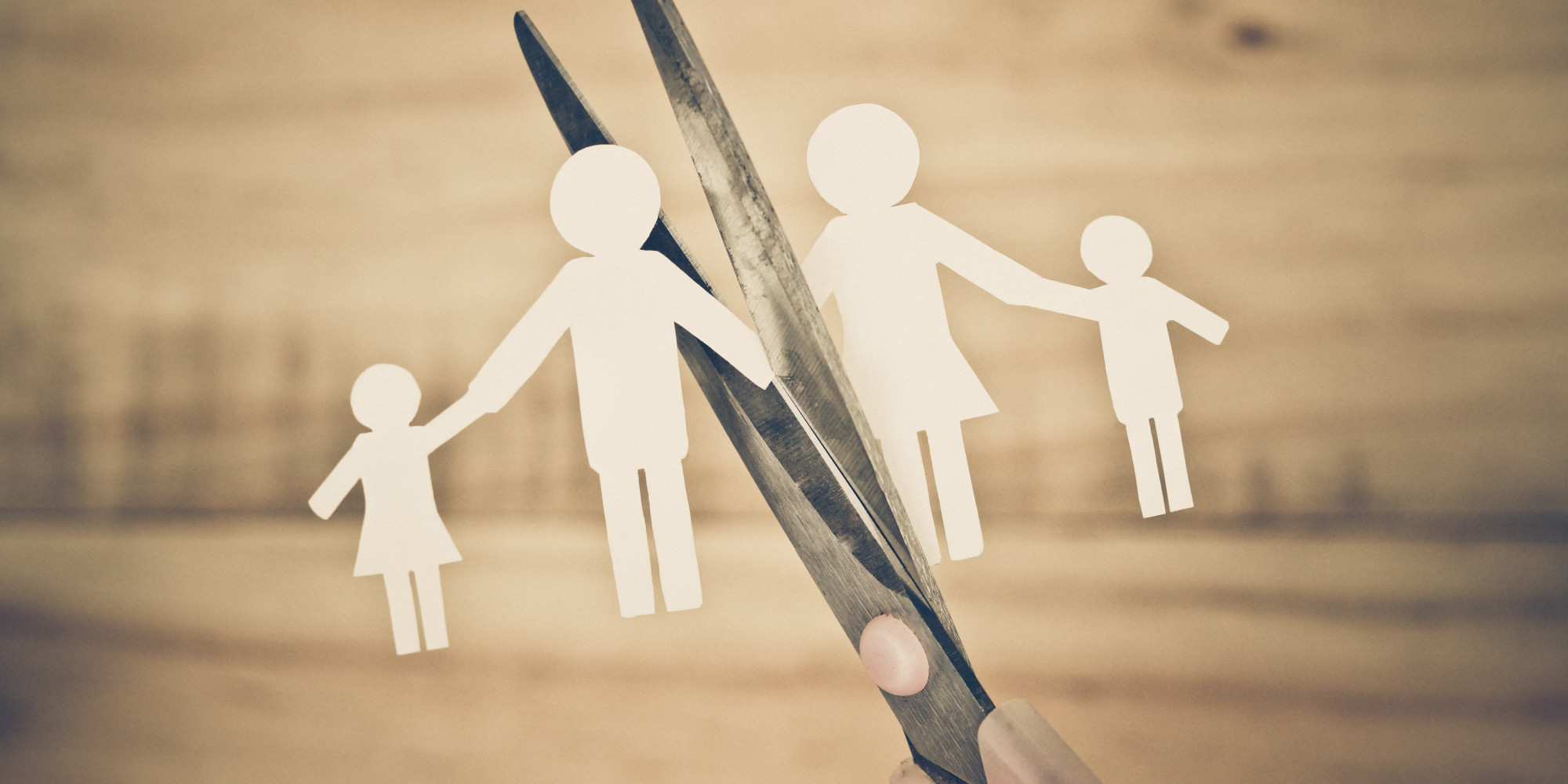
When it comes to divorce, it can be an emotional process for all members of the family, especially young children who witness the separation of their parents. If you are going through a divorce and you do not take care to be considerate and plan properly, you can make silly decisions because of pride and resentment.

By using alternative divorce solution such as mediation, how does it benefit you?

- You remain in complete control of your family’s future, happiness and stability

- Cape Mediators assist you to make a fair decision in order to move forward in a cooperative manner

- We will help to turn the battle field into a zone where both parties feel safe

- We help change a process that would usually be very combative into one where both parties work together

Image result for divorce

We want you and your family to experience the benefits of divorce mediation – Contact Cape Mediators on 082 422 3324 or email mike@capemediators.co.za to take the first step!

Tuesday, 6 February 2018

The 6 Main Benefits of Mediation

Choosing mediation means a lot more benefits you, especially when it comes to improving the understanding between you and the other party.

Some of the best benefits of mediation are…

-- Avoiding Court. When you choose mediation, it usually means that you do not have to go to court. At the end of your case, your mediator will usually prepare your paperwork and file it with the court.

-- Affordable. It can be very expensive to use traditional litigation. Mediation is a lot cheaper because the focus is to come to a mutual agreement not to destroy the other party.

Related image

-- Faster Agreements. Mediation happens according to your timeline and can be done quickly, sometimes in just a few short months or even weeks!

-- Customer Satisfaction. Those who use mediation come to a mutual agreement where both sides are happy with the outcome and there isn’t an overwhelming amount of stress.

Image result for mediation

-- Privacy. Mediation usually takes place in a private place, like in the mediator’s office, rather than making it a public process.

-- Preserves Relationships. Whether it is a divorce settlement or a labour dispute, preserving your relationship can be the main benefit of using mediation. Mediation focuses on communicating with each other respectfully instead of attacking one another.

Image result for couple agreement

These are just some of the main benefits of mediation. Of course, there are many other benefits as well, this is why mediation is seen as a more peaceful and accepted solution that ends and resolves conflicts of any magnitude.


If you are looking for professional mediation services in Cape Town and the surrounding areas, do not hesitate to contact Cape Mediators today: email mike@capemediators.co.za or give us a call on 082 422 3324 to book your session. 

Tuesday, 23 January 2018

Barriers that Families Face when it comes to Mediation

Why do so many people decide that mediation will be unsuccessful?

Image result for family mediation

Well, there are a few barriers that many mediation clients will experience when they are considering using a mediator.

First of all, lawyers are often contacted as a first resort. Why? Becase this has become the norm among many people.

Let’s take a look at some of the barriers that may come up should a family / couple, etc. choose mediation…

     1.       The couple / family have already tried to sort things out, and assume it is too late to mediate

     2.       The other party refuses to mediate

     3.       The mediator was chosen by the other party so they cannot possibly be neutral

     4.       The other person will most probably not change their mind no matter what the mediator does

     5.       The other party cannot afford mediation

Many couples / families, etc. who are going through issues feel that mediation would not provide the right practical and emotional support. HOWEVER, even though there are challenges when it comes to mediation, it is in fact the right process to choose!

Mediation is a cost effective, but effective way to resolve conflicts and disputes, including those which are complex and high value. 


Be sure to contact Cape Mediators today: email mike@capemediators.co.za or give us a call on 082 422 3324 to book your session.

Monday, 24 April 2017

What to do about a Noisy Neighbour

In almost everything community there is a rule about certain unnecessary and unreasonable levels of noise.

Related image

But what happens when you encounter a neighbour that is a bit noisier than the rest? Whether it is loud music playing at night, small children screaming excessively or whatever, here’s what to do about a neighbour’s noise.

Talk. It’s plain and simple, the best thing you can do is go over and have a civil conversation instead of shouting at each other over the wall. If you feel uncomfortable going over, write them a polite note and leave it in their post-box.

Give a warning. If the noise continues, send them a copy of the local noise ordinances and keep a copy for yourself.

Mediation. If you’d like to keep a good relationship with your neighbour, mediation is a great way to sit down and chat and work things out in a civilized manner. Contact Cape Mediators for affordable mediation services in Cape Town.

Call the police. If nothing works, then your last solution should be to call the police. Show them evidence of how you have tried to solve the noise problem, but your neighbour continues to make a noise. Try to call the police over at the time the neighbours are making a noise – if the police take too long to respond, rather use your PatrolMan SOS button to summon help to your location.

Image result for noisy neighbors


Noisy neighours is a common problem, so use this useful advice to deal with the problem in the right way.

Monday, 10 April 2017

3 Steps to take if you feel your Neighbour is harassing you

No matter which area you live in, or how many people there are living on top of one another in an apartment building, there is always bound to be some problems between neighbours.

Image result for neighbors fighting over fence

But when a small complaint turns into a big issue, how do you deal with the problem?

The most common complaints can be addressed when looking at the lease that was signed. Noise complaints can be dealt with easily between the two neighbours.

More serious issues, such as harassment, physical threats, calling the police for false reasons and making your home unliveable on purpose is a completely different situation...

Here are some steps you can take to deal with the harassment:

Talk it out. If you feel you can approach your neighbour without feeling endangered, then it might be a good idea to go over and have a chat with them. Invite them over for coffee and remember to communicate calmly and compassionately.

Document the issues. You need evidence if you want to take the matter to the owners or the management company. Keep a log of all the incidents with the dates and times, so the people in charge can do something about it.

Mediation. Cape Mediators offer mediation for neighbours who can’t work things out themselves, as well as mediation for landlord and tenant conflicts. Mediation is extremely useful as well as cost effective, and by providing the two parties to speak in a controlled environment, they can work the problem out properly!

Image result for neighbors fighting


Is your neighbour harassing you? Don’t leave it until it becomes a serious issue – use these 3 steps to properly deal with the problem!

Tuesday, 17 January 2017

Why is Mediation Better than Arbitration?

Most of the time mediation and arbitration are mentioned together because both can be used instead of litigation. However they are two very different things and mediation is considered to be a better option. 

Image result for happy mediation

Here’s why...

TIME – Using arbitration to resolve a conflict or dispute is much faster than going to court, however mediation is faster. If you use mediation, your problem will be resolved in a fraction of the time that arbitration takes; sometimes it even takes as little as one day to completely settle the case.

MONEY – Arbitration may require an arm and a leg as you will need to hire an attorney and then the arbitrators also need to be paid. When using mediation you will almost always save a lot of money. Why? Because the sessions don’t take as long as arbitration so the bills will be much smaller.

FACTS – Arbitration mostly concentrates on finding the facts and uncovering the truth, while mediation likes to emphasize on the future by moving past the conflict and coming to a mutual agreement.

OUTCOME – During arbitration, a ruling will be made that is binding to both parties, so you will have no control of the outcome. In mediation, the parties will determine the outcome by working together with the mediator to come up with a resolution.

Looking for mediation services in Cape Town at an affordable price? Contact Cape Mediators on 082 422 3324 or pop an email to mike@capemediators.co.za

Thursday, 15 December 2016

The Top Ten Rules for Mediation Success

Related imageMediation is an alternative way to solve disputes, such as non-criminal cases. Divorce, lease disputes, child custody and labour disputes can all be solved through mediation.

When a mediation is successful, both parties involved will work together to find common ground and come to an agreement, with the help of a neutral mediator.

So what are the keys to keeping your mediation on the path toward a fair and agreeable resolution? Here are ten rules to follow. 

Rule 1 – All parties must participate in making decisions

Rule 2 – Important documents and papers must be physically present

Rule 3 – Be right, but only to a certain point

Rule 4 – Build a deal

Rule 5 – Treat both parties with respect

Rule 6 – Be persuasive

Rule 7 – Focus on interests

Rule 8 – Be a problem solver

Rule 9 – Work past any anger

Rule 10 – Always be patient

Image result for mediation

Looking for professional, reliable mediation services at an affordable price? Contact Cape Mediators today mike@capemediators.co.za or give us a call on 082 422 3324

Thursday, 3 November 2016

Why Couples Are Choosing Mediation in Divorce Cases

Divorces are stressful and can cause also sorts of emotional and physical problems ranging from headaches, anxiety, depression, panic attacks, disruption of sleep patterns, psychosomatic illnesses, back aches and other ailments.

The finality and realization that a marriage is over hits everyone differently and everyone reacts to divorce in their own way.  Experts compare divorce to a death and the bereavement stages of anger, fear, loss, sadness and healing that accompany death.  Even if you are the one who initiates the divorce, you still may have unresolved emotional issues about ending the marriage that surface during the divorce negotiations or later.

Anger and disappointment are common feelings that may arise during divorce negotiations. In fact, many times the parties have a hard time communicating with each other about settling divorce issues such as division of property, child custody, visitation and spousal and child support issues.

Image result

Besides seeking the support of family, friends and profession advice, a number of couples are opting for divorce mediation to resolve their divorce issues in order to avoid the stress of a costly and lengthy divorce trial.


Looking for professional, reliable mediation services at an affordable price? Contact Cape Mediators at mike@capemediators.co.za or give us a call on 082 422 3324!

Wednesday, 19 October 2016

What are the Benefits of Mediation?

Apart from the obvious benefits of helping you to reach an agreement by yourselves, this is the most cost effective way of sorting out what happens when you split up. Some mediators are independent and they simply aim at making a meaningful difference in people’s lives, like Cape Mediators. They will have lower charging rates than lawyer mediators.

Image result

Because you are involved in the discussions directly, and end up with an agreement, you know that the deal is one you can live with. You will have looked at all the options yourselves and you will know that what you have decided should have the best chance of working for you and your family.

With mediation, you are in the driving seat. The process empowers you – to gather the information about finances, for example, and to understand it; to discuss the options direct and to make decisions about them. A criticism of the legal process (particularly if courts are involved) is that decisions are made for you rather than by you – and those decisions are imposed on you.

You have to live with those decisions whether you like them or not.

Looking for professional, reliable mediation services at an affordable price? Contact Cape Mediators today!


Monday, 17 October 2016

What does mediation involve?

These days there will rarely be a case that is not a suitable candidate for mediation or where the parties would decline to mediate.

Mediation involves the parties choosing their own process, which means that, although most mediation will follow a similar pattern, it can be infinitely flexible. It is a confidential process and "without prejudice", so it is an opportunity to have your say away from the public forum of a court room and in a way that allows you to express your opinion freely.

Mediation is generally presided over by a neutral person who assists the parties to work towards a negotiated settlement. That person is not a judge so they will not give an opinion on the matter but, done well, a good mediator can really test the parties' positions and assist settlement by highlighting strengths and weaknesses.

Image resultHowever, the decision to settle is made by the parties. They cannot be forced to settle and will only settle if the terms of that settlement have been agreed.

That is why it is always important to have someone empowered to make a final decision on settlement attending the mediation. There is nothing more frustrating than reaching a deal in principle but then having to adjourn because the decision has to be referred back to someone who is not present.

Mediation is a tried and tested way to resolve conflicts and disputes, including those which are complex and high value.


Looking for professional, reliable mediation services at an affordable price? Contact Cape Mediators today!

Thursday, 13 October 2016

The ins and outs of family mediation

Due to recent changes in government thinking, family mediation is becoming the preferred method to resolve and prevent family disputes, especially where children are involved.  Agreements that have been freely negotiated can help restore communication, understanding and trust.

Image result

- Family Mediation helps you resolve conflict and reach agreement on all issues surrounding separation, divorce or dissolution of civil partnership.

- It is a voluntary and confidential process which helps you reach joint decisions without the use of courts.

- It offers you a safe, neutral place where you and your ex-partner can meet with an impartial mediator to work out plans for the future.

- Mediators do not tell you what to do, but help you look at different options for sorting things out, so that you reach your own agreements about all aspects of your separation, divorce or dissolution, including arrangements for children, finances and property.

Who can use mediation?

- Mediation is open to anybody affected by family breakdown including separation, divorce and dissolution of civil partnership.

- It is mostly used by parents or couples who are experiencing difficulties agreeing arrangements, regardless of age, race, nationality, sexuality, orientation, mobility, faith and other such factors.

- Mediation is also available to other family members, such as grandparents, who may be having difficulties over contact arrangements, or step-parents who would like to support their new partner.

Cape Mediators are professionals with a wealth of skills and experience in family mediation and conflict resolution. We deliver mediation at the highest accredited standard – If you are seeking mediation please click here and fill in the form.


Contact Cape Mediators today!

Wednesday, 5 October 2016

What skills do you need as a Mediator?

A key aspect of mediation is that the mediator does not sort things out or make any decisions for the parties involved. Instead, he or she helps the parties involved work together to develop their own agreement.

A mediator needs a range of skills, including:

- Active listening skills;

- Questioning and clarifying skills to grasp both the facts and the areas of controversy;

- Emotional intelligence to understand the underlying emotions;

- Summarising skills to set out the main points of controversy, and underlying emotions, and also to help the participants to reframe issues in less emotive language;

- Empathy to help each party to stand in each other’s shoes and understand each other’s point of view.

Image resultPerhaps most importantly, a mediator must not take sides, or be seen to be acting unfairly. You will therefore need to acknowledge points made by both parties, and spend equal time with each person or on their issues.

It’s never going to help to point out that someone is being unreasonable, but you can help them take a reality check by asking what they would consider a reasonable outcome, and then asking whether they think the other party would agree.

Looking for professional, reliable mediation services at an affordable price? Don't hesitate to contact Cape Mediators today!

The Mediation Process

Although every conflict is different and every mediation process differs too, there are a number of steps which you will need to consider in every case...

Image result

        1.       Preparation

Lay out the “ground rules” for the mediation process. You may want to set up some basic rules, like only one person speaks at a time, and while someone is talking, the others have to listen in silence. There also will be no verbal abuse at anytime, as well as everything that happens remains confidential unless both parties have another agreement. Consider whether you should have separate meetings with each party to develop a better understanding of the issues before mediating a joint agreement.

        2.       Reconstruction and Understanding the Conflict

Listen to the participants stories, whether together or separately, and clarify what they want to achieve from the process. If you are meeting both participants together, it is helpful if you can summarise the main points of conflict in a neutral way that both can agree upon.  It can also be helpful at this stage to name the emotions that participants are feeling, to show that they have been recognised and understood.

        3.       Defining Points of Agreement and Dispute

Move towards a position where they start to understand each other’s point of view, and can then begin to resolve a shared problem. One way to do this is to think of it as moving from a focus on the past to one on the future. It’s extremely powerful to reflect feelings back to the participants, as it shows both that they have been heard. Don’t be afraid to suggest a break for coffee or a walk outside, or even an adjournment to another day if you think things are getting a bit heated.

        4.       Creating Options for Agreement

Image resultIdentify the simplest area, or the one on which there is most agreement, and suggest resolving that first, to give a ‘quick win’. Useful techniques for developing options include brainstorming. At this stage – anything goes! You then need to help the participants to develop evaluation criteria, which should ideally be objective and in order of importance. Your role here is to make sure that all participants are equally involved in generating options and developing evaluation criteria, and that they cover all parts of the problem. Make sure that you are reflecting their opinions and not your own. Once the options have been discussed, you’ll need to guide them to a single solution that suits all parties.

        5.       Developing an Agreement

Help the participants to achieve an agreement that is specific, measurable, attainable, realistic and time-bound:

- Writing down the proposal and reading it back to them.
- Writing down individual points so they are clear and understood.
- Clarifying any general or vague points.
- Avoid legalistic language, and keep everything very simple.
- Summarise progress and next steps, including setting a deadline for any future meetings, and identifying any remaining areas of difficulty, and options for their resolution.
- Being positive about progress and the fact that everyone has remained engaged.
- Offering your continued support as a mediator if required.
- Ensuring both parties sign the agreement then and there, and close the meeting once agreement is reached.

Mediation is an effective method to help solve conflicts that have gone beyond the negotiation stage. Contact Cape Mediators for affordable, professional mediation services!